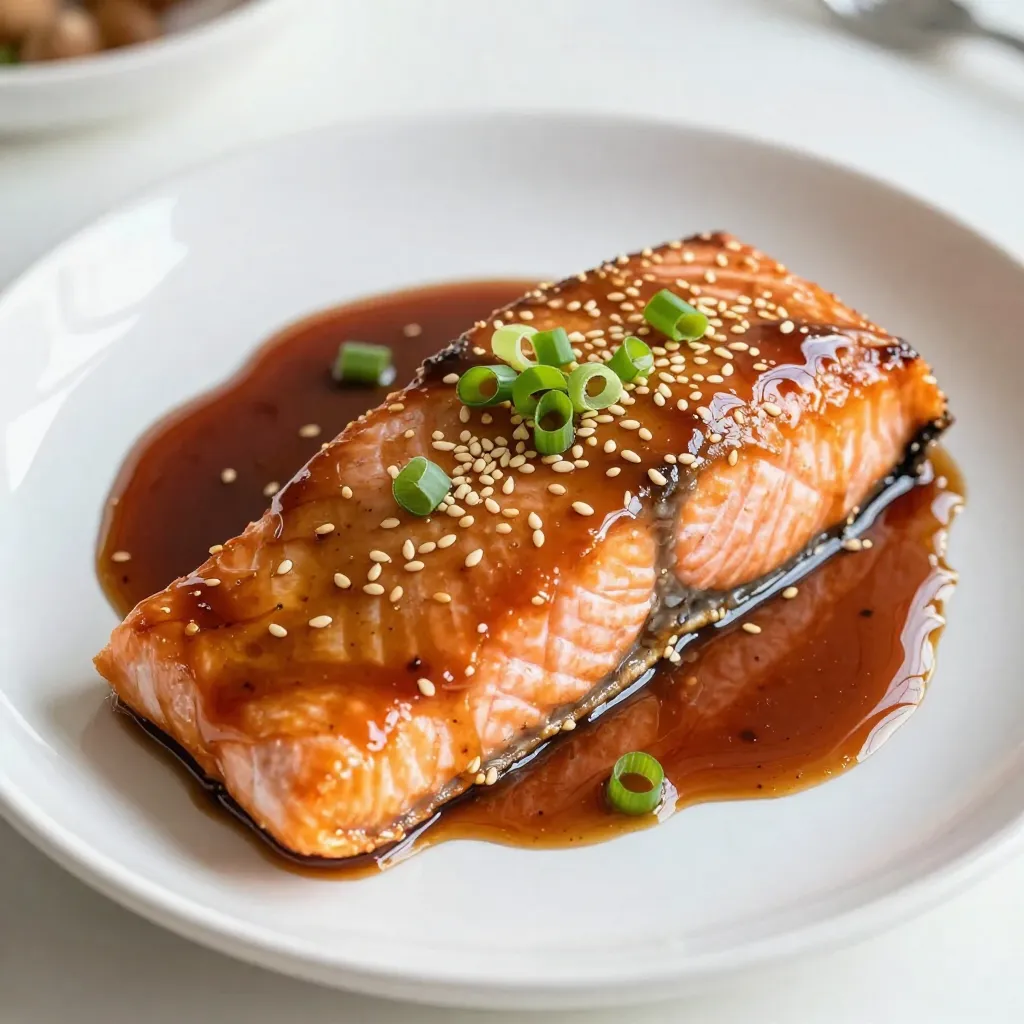
Are you ready to impress your taste buds? In this blog post, I’ll show you how to make Ginger Soy Glazed Salmon, a dish that’s both flavorful and simple. With just a few fresh ingredients and easy steps, you can create a tasty meal that everyone will love. Let’s dive into the details and make a dish that’s sure to be a hit at your dinner table!
Why I Love This Recipe
- Flavorful Marinade: The combination of ginger, soy sauce, and honey creates a deliciously balanced marinade that elevates the salmon to new heights.
- Quick Prep Time: With only 10 minutes of active preparation, this dish is perfect for a weeknight dinner without sacrificing flavor.
- Healthy and Nutritious: Salmon is rich in omega-3 fatty acids, making this dish not only tasty but also a great choice for maintaining a healthy diet.
- Impressive Presentation: Garnished with sesame seeds and green onions, this dish looks stunning on the plate, sure to impress family and guests alike.
Ingredients
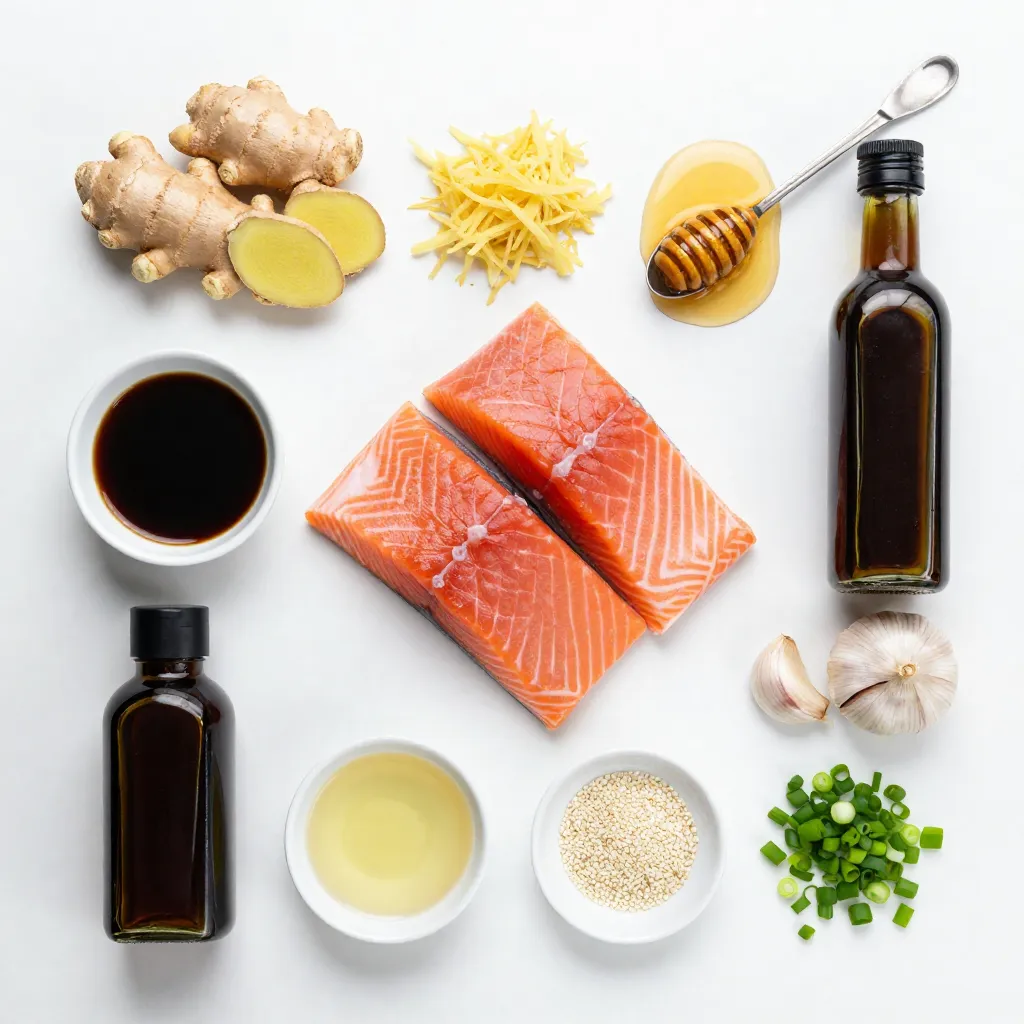
Complete List of Ingredients
– 4 salmon fillets (6 oz each)
– 1/4 cup low-sodium soy sauce
– 2 tablespoons freshly grated ginger
– 2 tablespoons honey
– 1 tablespoon sesame oil
– 2 cloves garlic, finely minced
– 1 tablespoon rice vinegar
– 1 teaspoon sesame seeds
– 2 green onions, finely chopped (for garnish)
– Salt and pepper to taste
Important Notes on Ingredient Quality
Choose fresh salmon for the best taste. Look for fillets with bright color and no strong fishy smell. Fresh ginger adds a vibrant kick, while low-sodium soy sauce keeps the dish balanced. Opt for organic honey if possible. It brings out the sweetness without overpowering the other flavors.
Substitutions for Key Ingredients
If you can’t find low-sodium soy sauce, use regular soy sauce but cut back on added salt. You can replace honey with maple syrup for a vegan version. If sesame oil is unavailable, olive oil works in a pinch but will change the flavor slightly. For a different twist, try using lime juice instead of rice vinegar for a tangy kick.
Step-by-Step Instructions
Preparing the Marinade
To start, gather your ingredients for the marinade. You need:
– 1/4 cup low-sodium soy sauce
– 2 tablespoons freshly grated ginger
– 2 tablespoons honey
– 1 tablespoon sesame oil
– 2 cloves garlic, finely minced
– 1 tablespoon rice vinegar
In a medium mixing bowl, combine the soy sauce, ginger, honey, sesame oil, garlic, and rice vinegar. Whisk these together until smooth. This marinade packs a big flavor punch. The ginger adds warmth, while honey gives sweetness.
Marinating the Salmon
Now it’s time to marinate the salmon. Take four salmon fillets, each about 6 ounces. Place the fillets in a shallow dish. Pour the marinade over the salmon, covering it well. Make sure each piece is coated on all sides.
Cover the dish and let it sit in the fridge for 30 minutes. This allows the salmon to soak up all the tasty flavors. The longer you marinate, the more flavor you’ll get. Just don’t go overboard, or the fish might get too salty.
Cooking Methods: Grilling vs Baking
You can cook the marinated salmon in two ways: grilling or baking.
Grilling: Preheat your grill to medium-high heat, about 375°F (190°C). Remove the salmon from the marinade, but keep the leftover marinade for later. Lightly season the fillets with salt and pepper. Place them skin-side down on the grill. Grill for 4-5 minutes on each side, or until the salmon flakes easily with a fork.
Baking: If you prefer baking, line a baking sheet with parchment paper. Place the salmon skin-side down on the sheet. Bake for 12-15 minutes. Baste the salmon with the reserved marinade halfway through cooking. This keeps it juicy and adds even more flavor.
Whichever method you choose, the salmon will turn out deliciously glazed and flavorful. Enjoy every bite!
Tips & Tricks
How to Check Salmon Doneness
To check if your salmon is done, use a fork. Gently press the salmon with the fork. If it flakes easily, it is cooked. The color should change from bright pink to a soft, opaque hue. You can also use a thermometer. Insert it into the thickest part of the fillet. Aim for an internal temperature of 145°F (63°C). This ensures it is safe to eat and still juicy.
Best Practices for Marinating
Marinating salmon helps boost flavor. Always use a non-reactive dish. Glass or ceramic works well. Coat the salmon evenly with the marinade. Let it sit for at least 30 minutes. For deeper flavor, marinate for up to 2 hours in the fridge. Avoid marinating too long, as the acid can break down the fish. This may change the texture and make it mushy.
Enhancing Flavor Profile
To enhance the flavor of your ginger soy glazed salmon, add extra ingredients. Consider using citrus zest, like lemon or lime. This adds bright notes to the dish. Fresh herbs like cilantro or basil can also bring freshness. If you enjoy a bit of heat, add chili flakes or sriracha. Experiment with different toppings too. Chopped nuts or seeds can give a delightful crunch.
Pro Tips
- Marination Time: For the best flavor, consider marinating the salmon for at least 1 hour or even overnight in the refrigerator. This allows the ginger and soy sauce to deeply penetrate the fish.
- Grill Marks: To achieve perfect grill marks, make sure your grill is preheated and do not move the salmon once it’s placed on the grill for the first 4-5 minutes.
- Fresh Ingredients: Use fresh ginger and garlic for a more vibrant flavor. If possible, try to avoid pre-grated or jarred versions.
- Serving Suggestions: Pair your salmon with a side of quinoa or steamed vegetables to create a balanced and colorful meal.
Variations
Alternative Flavor Combinations
You can easily change the flavor of this dish. Try using orange juice instead of honey. This adds a bright sweetness. You might also enjoy adding sriracha or chili paste for heat. A splash of lime juice can give a nice tang. Adding fresh herbs like cilantro or basil can also boost the taste.
Serving Suggestions and Pairings
Ginger soy glazed salmon pairs well with many sides. Serve it on a bed of steamed rice for a classic touch. Sautéed bok choy or asparagus adds great color and texture. A simple salad with cucumber and avocado makes a fresh side. For a quick meal, serve salmon with quinoa or couscous. You can also add lime wedges for a zesty finish on your plate.
Seasonal Ingredient Additions
Seasonal ingredients can elevate your dish. In spring, add fresh peas or snap peas for crunch. In summer, try grilled corn as a side. Autumn brings great options like roasted sweet potatoes. Winter is perfect for adding kale or Brussels sprouts. Adjusting your ingredients to the seasons keeps your meals fresh and exciting.
Storage Info
Proper Storage Techniques for Leftovers
After you enjoy your Ginger Soy Glazed Salmon, store leftovers properly. First, let the salmon cool to room temperature. Then, wrap the fillets in plastic wrap or foil. You can also place them in an airtight container. This helps keep the salmon fresh for up to three days in the fridge. If you have extra marinade, store it separately in a small jar.
Reheating Methods for Best Results
When it’s time to enjoy your leftovers, reheat them gently. The best way is to use an oven. Preheat the oven to 275°F (135°C). Place the salmon on a baking sheet and cover it with foil. Heat for about 10 minutes or until warm. You can also use a microwave. Place the salmon on a microwave-safe plate and cover it with a damp paper towel. Heat in short bursts of 30 seconds until warm. This keeps the salmon moist.
Freezing and Thawing Guidelines
If you want to save salmon for later, freezing works well. Wrap the cooled fillets tightly in plastic wrap. Then, place them in a freezer bag, removing as much air as possible. You can freeze the salmon for up to three months. When you’re ready to eat, thaw the salmon in the fridge overnight. Avoid thawing at room temperature, as this can affect the texture. Once thawed, reheat using the methods above to enjoy a tasty meal again.
FAQs
Can I use frozen salmon for this recipe?
Yes, you can use frozen salmon. Just make sure to thaw it first. Place the salmon in the fridge overnight or submerge it in cold water for quicker thawing. Once thawed, you can follow the recipe as usual. The marinade will still work well with frozen salmon.
What is the best way to know when salmon is done cooking?
The best way to check salmon doneness is by using a fork. Gently press the salmon with a fork. If it flakes easily, it’s done. The internal temperature should reach 145°F (63°C). You can also look for a change in color. The salmon should be opaque and slightly pink in the center.
How should I serve Ginger Soy Glazed Salmon?
Serve Ginger Soy Glazed Salmon on a vibrant plate. A bed of steamed rice or sautéed bok choy works well. Top with sesame seeds and green onions for a pop of color. Drizzle some reserved marinade over the salmon for extra flavor. Lime wedges add a fresh, zesty touch.
To sum up, we explored the key ingredients for a delicious salmon dish, including substitution options. I shared easy steps for marinating and cooking your salmon, whether you grill or bake. We also covered tips for checking doneness and flavoring. You learned about tasty variations, how to store leftovers, and answered common questions. Salmon can transform your meals, so enjoy experimenting with flavors. Your kitchen can be the place for great dishes. Keep these tips in mind for perfect salmon every tim